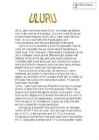
Marie-Helene Sarapuu 8.b Uluru, also named as Ayers Rock, is a large sandstone rock in the central of Australia. Uluru and Kata Tjuta are the two major features of the Uluru-Kata Tjuta National Park. Uluru is sacred to the Pitjantjatjara and Yankunytjatjara, the Aboriginal people of the area. Uluru is one of Australia`s most recognisable natural icons (of course).The world-renowned sandstone is 348m high, 5 km long and 1,5km wide.It is interesting that Uluru changes colour as the different light strikes it at different times of the day and year.Uluru produce an incredible light show at sunset ,with crimsons turning to rusts and pinks to mauves.Uluru has also many springs, waterholes,rock caves and ancient paintings.
Uluru is 346 metres high, more than 8 km (5 miles) around with a hard exterior compared to most other large rock formations which has prevented formation of scree slopes, resulting in the unusual steep faces down to ground level. It is the greatest tourist attraction in the Northen Territory but it also is and awe inspiring, huge monolith, 862,5 metres above sea level, rising out of the desert in the centre of Australia. The local Pitjantjatjara people call the landmark Uluru and the local Aborigines regarded it as a sacred place. Ayers Rock was created a national park in 1950. Uluru is also famous for its rock paintings. Reef One of the natural wonders of the modern world is the Great Barrier Reef. The reef is located in the Coral Sea, off the coast of Queensland in northeast Australia It is the largest coral reef on earth, extending for 2000 km along the eastern coast
 annaabi.ee