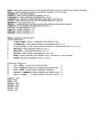
2. trochaic trochee (the stressed syllable is followed by the unstressed one) /x 3. dactylic dactyl (1 stressed syllable is followed by 2 unstressed) /xx 4. amphibrachic amphibrach (1 stressed syllable between 2 unstressed ones) x / x 5. anapaestic anapaest (2 unstressed syllables followed by 1 stressed) xx/ monometer - 1 foot; dimetre - 2 feet; trimetre - 3 feet; tetrametre - 4 feet; pentametre - 5 feet; hexametre - 6 feet; eptametre -7 feet; octametre - 8 feet.
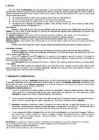
1. iambic iambus (1 unstressed and 1 stressed syllable), 2. trochaic trochee (the stressed syllable is followed by the unstressed one), 3. dactylic dactyl (1 stressed syllable is followed by 2 unstressed), 4. amphibrachic amphibrach (1 stressed syllable between 2 unstressed ones), 5. anapaestic anapaest (2 unstressed syllables followed by 1 stressed). Monometer - 1 foot; dimetre - 2 feet; trimetre - 3 feet; tetrametre - 4 feet; pentametre - 5 feet; hexametre - 6 feet; septametre -7 feet; octametre - 8 feet. MODIFICATIONS OF METRE Changes in the metrical pattern may be unintentional and deliberate. deliberate There are classes of words (articles, pronouns, prepositions, conjunctions, link verbs) that are normally unstressed. 1. Unstressed syllables may result in a pyrrhic foot (containing 2 unstressed syllables)
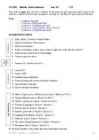
si-lent-ly | pre-sent-ly * amphibrach or amphibrachic foot v / v | v / v I hate you | pre-ten-ding * anapaest or anapaestic foot v v / in the sun monometer 1 foot dimetre 2 feet trimetre 3 feet tetrametre 4 feet pentametre 5 feet hexametre 6 feet septametre 7 feet octametre 8 feet MODIFICATIONS OF METRE * pyrrhic foot v v * spondee / / * rhythmic inversion /v|v/| v/ (trochee in iambic line or vise versa) *catalectic line the last syllable is stressed, unstressed id missing
 annaabi.ee