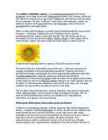
Sunflower was a common crop among Native American tribes throughout North America. Evidence suggests that Native Americans were cultivating sunflowers in the Four Corners area of the southwestern United States about 3,000 B.C. Sunflower seeds were ground or pounded into flour, cracked and eaten as snacks, mixed with other vegetables, or even squeezed for oil which was used in making bread. Nonfood uses included purple dye, medical uses, and using the dried stalk as a building material. The plant and the seeds were widely used in ceremonies. In Peru, this flower was much revered by the Aztecs. In the Aztec temples of the Sun, the priestesses were crowned with sunflowers and carried them in their hands. The early Spanish conquerors found numerous pure gold representations of the sunflower in these temples.
production; even with hygienic design fea- Disinfection Procedures tures, equipment may collect microorgan- isms and other debris from the air, as well as Cleaning is the removal of dirt and organic from employees and materials during substances such as fat and protein particles production. (commonly called soil) from surfaces of walls, floors (nonfood-contact surfaces), and tools and equipment (food-contact sur- Employees faces), leaving surfaces clean. With cleaning Plant personnel are among the most signifi- procedures, high numbers of microorganisms cant reservoirs and vectors of microorgan- (90% or more) will be removed. However, isms, chemical residues, and foreign material many microorganisms can persist on these
 annaabi.ee