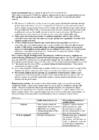
and some people died in that fire. The police never did investigate it properly so no-one knows who did it. Article 9 (1) (2) (4) (5) People in the square were arbitrarily arrested and kept in prison. It was made without any procedural measures. They were beaten and thrown into vehicles and they weren't informed of the reasons for their arrest. Another presidential candidate was arrested when he wanted to reveal some facts about Lukashenka form a certain book and he was imprisoned for that. Since they were arbitrarily arrested they should have had the right to take proceedings before a court so the court could decide on the lawfulness of the arrest. And victims of unlawful arrest should be compensated. Article 12 free movement in the territory and freedom to choose residence in that territory. A guy from the opposition was sent to a village in the middle of nowhere. Article 14 (1) (2) (3)
enamasti pole, kuigi põhiseadus võib formaalselt kehtida. Riigipeaks on valitav president, kellel on peaaegu piiramatu võimutäius. Rahval pole poliitikas osalemiseks piisavalt võimalusi. Kodanike isiklikku ellu üldjuhul ei tungita, piirdutakse avaliku kuuletumise saavutamisega (väline konformism). Seega pole võimupropaganda kõikehaarav. Valimistulemused on tavaliselt etteennustatavad, tulemusi võltsitakse või elimineeritakse vastaskandidaadid (lähiajast Aleksandr Lukashenka Valgevene, Husni Mubaraki Egiptus, Ilham Alijevi Aserbaidzaan jt). Näiteks Mubarak juhib Egiptust juba 1981. aastast ja 2005. a presidendivalimistel olid esmakordselt lubatud vastaskandidaadid, kuid valimispettused olid üleüldised. Kirjaoskamatute jaoks seati kandidaatidele sisse sümbolid, Mubarak võttis islami poolkuu, mis loomulikult tema poolt hääletama pani. Autokraatia on rohkem pragmaatiline kui ideoloogiline, valitseja võib poliitikat üleöö muuta.
 annaabi.ee