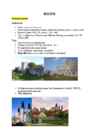
Maastikumaalid, portreed, aktimaalid Armastuse nümf "En premiär" Sommarnöje Midsommarsdans President Clover Cleveland Carl Larsson Töötas Dalarnas ning oli üks rootslaste armastatumaid kunstnikke Akvarellmaalid igapäevaelust Kuj tihti oma pereliikmeid ja kodu Sundbornis (Ett hem) Maalinud ka freskosid ja seinamaale,Kesktalveohver Rahvusmuuseumis Bruno Liljefors Ülitäpsed loodust ning liikuvaid loomi kujutavad maalid Eugene Jansson inspireeritud van Goghi töödest lihtsad suured geomeetrlised vormid idüllilised Stockholmi motiivid jõulised mehefiguurid Ernst Josephsson meisterlikud õliportreed tema tööd inspireerisid hilisemat modernismi portreekunstiga tegelesid: Richard Bergh Nils Kreuger
• maastikumaalid, portreed aktimmaalid • armastuse nümf (1883), kesksuvetanst(1897), ja president Grover Cleveland (1899) • Carl larsson, kes nagu zorngi töötas dalarnas ning oli üks rootslaste armastatumiad kunstnikke • peamiselt akvarellmaalid igapäevaelust • kujutas tihti oma pereliikmneid ning kodu Sundbornis (Ett hem) • maalinud ka freskosid ning seinamaale, Kesktalveohve Rahvamuuseumis • liljefors-ülitäpselt loodust ning liikuvaid loomi kujutavad maalid • eugene jansson- inspireeritud vincet van Gogh'i töödest, lihtsad, suured geomeetrilised vormid, idüllilised stockholmi-motiivid, jõulised mehefiguurid. • Ernst josephssoni- meisterlikud õliportreed. Tema töödes inspireerisid hilisemar modernismi. • Portreekunstiga tegelesid richard bergh ja nils kreuger • 1885
In a way, it is similar to the coda of the Second Symphony: a retrospect of the past. The thoughts and emotions of Tubin, his hopes and resignation have been revealed: Example 139. The last bars in B major point out a clearing reached through strong exertion. The form schemes used here are Sonata Allegro (first and third movement) and ABC as a compound form. After the first performance in Stockholm, the Swedish critic Ingemar Liljefors said: The talent of Tubin to present his sensations in such artistically illuminated expression is worthy of admiration. The Fifth Symphony is built up with a mastery which displays a sovereign command of all means and the absolute ability of musical expressiveness. 1 It seems surprising that the score was published in Moscow in 1966. In its foreword, the musicologist Yuri Fortunatov states:
 annaabi.ee