History of Different cultures Maile Kikerpill 2013 The Roman Empire began as a farming community on the Tiber River in central Italy was occupied in the 700 BC by 500 BC the area was dominated by Etruscans by 300 BC the Latins ruled central and southern Italy in 264 BC the Latins began to dispute the territorial ambitions of the Carthaginians known as the ,,Punic Wars,, finally destroyed in 146 BC By 70 AD Rome ruled every country that touched the Mediterranean was not the largest empire in total territory in world history until 27 BC the Roman Empire was a Republic Julius Caesar declared war on the Roman Senate itself became sole ruler Brutus, Cassius and others assasinated Julius Caesar Octavius declared himself "Caesar Augustus" and first Emperor of Rome
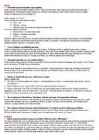
According to Herodotus (History 5:58), the Phoenicians brought writing and papyrus to Greece around the 10th or 9th century BC. The Greek word for papyrus as writing material (biblion) and book (biblos) come from the Phoenician port town Byblos, through which papyrus was exported to Greece. From Greek we also derive the word tome (Greek: ), which originally meant a slice or piece and from there began to denote "a roll of papyrus". Tomus was used by the Latins with exactly the same meaning as volumen. Whether made from papyrus, parchment, or paper, scrolls were the dominant form of book in the Hellenistic, Roman, Chinese, and Hebrew cultures. The more modern codex book format form took over the Roman world by late antiquity, but the scroll format persisted much longer in Asia. Codex Woman holding a book (or wax tablets) in the form of the codex. Wall painting from Pompeii, before 79 AD.
But those wars which have glory for their end must be carried on with less bitterness. For we contend, for example, with a fellow-citizen in one way, if he is a personal enemy, in another, if he is a rival: with the rival it is a struggle for office and position, with the enemy for life and honour. So with the Celtiberians and the Cimbrians we fought as with deadly enemies, not to determine which should be supreme, but which should survive; but with the Latins, Sabines, Samnites, Carthaginians, and Pyrrhus we fought for supremacy. The Carthaginians violated treaties; Hannibal was cruel; the others were more merciful. From Pyrrhus we have this famous speech on the exchange of prisoners... Again, if under stress of circumstance individuals have made any promise to the enemy, they are bound to keep their word even then. For instance, in the First
 annaabi.ee