4. What other subjects make up the National Curriculum? 5. What proportion of young people in Britain enter higher education today? 1. 16 years 2. 93% 3. English, mathematics and science 4. history, geography, technology, music, art, physical education and a modern foreign language 5. almost one in three Households 1. How many households in Britain have the use of two or more cars: 14%, 26% or 31%? 2. What percentage of householders in Britain own their own home: 49%, 57% or 67%? 3. Is the average size of British households rising or falling? 4. How many adults in Britain live on their own? 5. What percentage of British households have a colour television set: 45%, 82% or 97%? 1. 26% 2. 67% 3. Falling. It has nearly halved in the last 80 years 4. 14% of adults live alone 5. 97% The arts 1. Where is the world's biggest annual international arts festival held?
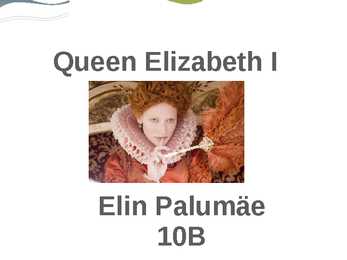
Elizabethan seafarers, over which the queen had little control. Later years The period after the defeat of During this time, repression of the Spanish Armada in 1588 Catholics intensified, and brought new difficulties for Elizabeth authorised Elizabeth that lasted the fifteen commissions in 1591 to years until the end of her interrogate and monitor reign. Catholic householders. The conflicts with Spain and To maintain the illusion of in Ireland dragged on, the tax peace and prosperity, she burden grew heavier, and the increasingly relied on internal economy was hit by poor spies and propaganda. harvests and the cost of war. In her last years, mounting Prices rose and the standard of criticism reflected a decline in living fell. the public's affection for her One of the causes for this "second
Peterloo's immediate effect was to cause the government to crack down on reform, with the passing of what became known as the Six Acts. *The campaign for parliamentary reform from mid C18 into the C20 The idea for reform was a slow process. The reformers caused those in power some concern and were repressed by a series of measures. The Great Reform Act abolished many small towns - their seats being redistributed to form new towns. The Second Reform Act extended suffrage to all borough householders. Corrupt practices were eventually stopped by the Corrupt Practices Act, which was established as a result of public outcry from the findings of a Royal Commission. The Act imposed penalties for bribery and set maximums levels to be spent on electoral campaigns. The Third Reform Act gave votes to householders in counties. In the end of 19th century, women were drawn into a more active involvement of political arena. The Equal Franchise Act gave vote to all women over 21.
 annaabi.ee