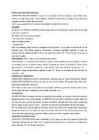
E.g. Dickens "The Old curiosity shop". 4. for the sake of humour when used in everyday speech. In poetry archaic words are often used for their more elevated colouring and not for the sake of historical background. In official documents some archaic words are still used, however the tendency is that to avoid them. E.g. hereby, hereinafter. Poetic diction words traditionally used in poetry and partly they overlap with archaic words. E.g. hapless (unhappy), naught (nothing), hearken (to hear). Function to uphold lofty poetic colouring (if used in poetry). If used in trivial conversation the effect is irony, satire, humour. Common colloquial vocabulary Familiar words that occur everyday more intimate talk and as a rule not used in literary speech. To hurt-to kick around, clever-smart, friend-buddy, pal, die-go west. Interjections. E.g. Jee! Goshh! Neutral words used metaphorically - Half-baked (silly), juicy (good), lamb (dear)
Enjoy the pleasures age has weaned them from. MADAME PERNELLE (to Elmire) There! That's the kind of rigmarole to please you, Daughter-in-law. One never has a chance To get a word in edgewise, at your house, Because this lady holds the floor all day; But none the less, I mean to have my say, too. I tell you that my son did nothing wiser In all his life, than take this godly man Into his household; heaven sent him here, In your great need, to make you all repent; For your salvation, you must hearken to him; He censures nothing but deserves his censure. These visits, these assemblies, and these balls, Are all inventions of the evil spirit. You never hear a word of godliness At them--but idle cackle, nonsense, flimflam. Our neighbour often comes in for a share, The talk flies fast, and scandal fills the air; It makes a sober person's head go round, At these assemblies, just to hear the sound Of so much gab, with not a word to say; And as a learned man remarked one day
 annaabi.ee