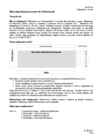
Afektiivsus Kõrge Madal Veenmise kahe protsessi käsitlused Veenmist on kirjeldatud erinevate kahe reziimi abil. Nende mudelite alusel võib veenvat sõnumit töödelda vaistlikumalt või kaalutlevamalt sõltuvalt süvenemismäärast. Heuristiline/süstemaatiline töötluse mudel (Chaiken & Eagly) Süvenemise tõenäosuse mudel (Petty &Cacioppo) Assotsiatiivsete ja loogiliste hinnangute mudel (Gawronski & Bodenhausen) Süvenemise tõenäosuse mudel vihje Argument P Motivatsioon süveneda TS E EN R TR Reaktsioon Võimalus süveneda
Konsistentsus ja sarnane kausaalsus 2. ISIKSUSEPSÜHHOLOOGIA METODOLOOGIA Kirjandus K: Hofstee, W. K. B. (2002). The questionnaire construction of personality: Pragmatics of personality assessment. In H. I .Braun, D. N. Jackson, & D. E. Wiley (Eds., pp. 19-35), The Role Of Constructs in Pyschological and Educational Measurement. New York: Lawrence Erlbaum. S: Schnabel, K. & Asendorpf, J. B. (2010). The self-concept: New insights from implicit measurement procedures. In B. Gawronski & B. K. Payne (Eds.), Handbook of implicit social cognition (pp. 408-425). New York: Guilford Press. Küsimused Hofstee (2002) artikli põhjal: Miks eitused ja tingimuslaused teevad küsimustiku mõistmise keerulisemaks? Miks on problemaatiline omadussõnade kasutamine küsimustikus? Mida tähendab "ülespuhutud-spetsiifiline" (bloated-specific) Millist probleemi näeb Hofstee relatiivsete skaaladega (st nt "madal ekstravertsus" on defineeritud kui "alumine 15%")? Märksõnad loengust:
Second, a written testament can be shown to other people. Of course, that means it can be used to persuade those people. It can per- suade them to change their own attitudes in the direction of the statement. More importantly for the purpose of commitment, it can persuade them that the author genuinely believes what was written. People have a natural tendency to think that a statement reflects the true atti- tude of the person who made it (Gawronski, 2003). What is surprising is that they continue to think so even when they know that the person did not freely choose to make the statement. Some scientific evidence that this is the case comes from a study by psychologists Edward Jones and James Harris (1967), who showed people an essay that was favorable to Fidel Castro and asked them to guess the true feel- ings of its author. Jones and Harris told some of these people that the author had
 annaabi.ee