The great Fire The Great Fire of London of September 1666 was one of the moost famous incidents in Stuart England. It was the second tragedy to hit the city in the space of 12 months. The fire started in Pudding Lane. The fire started in a baker's shop owned by Thomas Farriner who was the king's baker. His maid failed to put out the ovens at the end of the night. Once it started, the fire spread quickly. The city was basically made out of wood and with September following on from the summer, the city was very dry. Strong winds fanned the flames. In 1665, during the plague, the king, Charles II, had fled in London. His plan, in 1666 (he stayed in London and took charge of the operation to save the city) was to create fire-breaks.
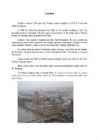
London London is almost 2,000 years old. Romans came to England in 43 AD. It was first called Londinium. In 1666 the Great Fire destroyed four fifths of the wooden buildings in the City including St Paul`s Cathedral. The fire began in the kitchen of the King`s baker Thomas Farriner in Pudding Lane and lasted for five days. London is the capital of England and the United Kingdom. By now London has swallowed up many of the small towns and villages that once surrounded it. London is on the same latitude as Warsaw. London is a city were more than 7 million inhabitants live. In London there are famous Telephone booths and taxis. Also there are red double- decker buses. The quick and easy way is use the underground trains. The cheapest is to buy a Travelcard.
Physicians were hired by city officials Burial details were carefully organized Authorities ordered fires to be kept burning night and day, in hopes that the air would be cleansed Plague cases continued at a modest pace until September 1666. At about September 2nd and 3rd, when was the Great Fire of London , the plague outbreak tapered off. Great Fire of London 2 September to 5 September 1666. It started at the bakery of Thomas Farriner It consumed 13,200 houses, 87 parish churches, St. Paul's Cathedral, and most of the buildings of the City authorities It is estimated that it destroyed the homes of 70,000 of the City's The death toll from the fire is unknown and is traditionally thought to have been small By the 1660s, London was by far the largest city in Britain Many buildings were made of wood - The only major stone-built area was the wealthy centre of the City.
to slow until, in February 1666, it was considered safe enough for the King and his entourage to return to the city. By this time, however, trade with the European continent had spread this outbreak of plague to France, where it died out the following winter. (Wikipedia homepage: http://en.wikipedia.org/wiki/Great_Plague_of_London) 5.1 The Great Fire of London The Great Fire of London was an unofficial end of the Black Death. The fire started at the bakery of Thomas Farriner on Pudding Lane. It spread quickly west across the city of London because the houses were made out of timber. Plague cases continued at a modest pace until September 1666. On 2 and 3 September, the Great Fire of London destroyed much of the centre of London. At about the same time, the plague outbreak tapered off. Although, it is now thought that the Plague had died off before the Great Fire of London and also the majority of plague cases were found in the suburbs of
 annaabi.ee