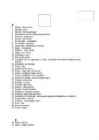
Eating disorder Overeating Dagne Markiine Kotkas Definition Eating disorder is a condition defined by abnormal eating habits Eating disorder may involve either insufficient or excessive food intake Overeating involves excessive food intake to the detriment of an individual's health Behavioral symptoms Binge eating* - compulsive overeating Inability to stop eating or control what you're eating Rapidly eating large amounts of food Eating even when you're full Hiding or stockpiling food to eat later in secret Eating normally around others, but gorging when you're alone Eating continuously throughout the day, with no planned mealtimes Emotional symptoms Feeling stress or tension that is only relieved by eating
123. Customer- klient D 124. Data- informatsioon 125. Dawn- koitma, selguma 126. Debut- debüüt, avalikkuse ette astumaM 127. Decisiveness- otsusekindlus, lõplikkus 128. Declared- kuulutatud 129. Defensive- kaitse 130. Deferential- aupaklik 131. Define- määratlema 132. Deftly- osavalt 133. Deliberately- tahtlikult, meelega 134. Derive- tuletama, ammutama 135. Design disain 136. Despite- vaatamata 137. Deter crime takistada kuritegevust 138. Detriment- kahju 139. Develop- arendama 140. Dictated- dikteeritud 141. Disappointing- pettumust valmistav 142. Disband- laiali saatma, laiali minema 143. Dismiss- jätta 144. Dispatched- lähetatud, teele saadetud 145. Displeasure- pahameel 146. Distinctive- eristav, iseloomulik 147. Distribution- levik, jaotus 148. Distributor- levitaja 149. Diversification- mitmekesine, haarde laiendamine Overhaul- põhjalik ülevaatus 150. Dough- tainas 151. Drawn-out- pikaleveninud 152
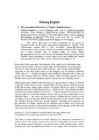
classes analysed are also noticeable. 5. The influence of Estuary English: Will it replace RP? "What I have chosen to term Estuary English may now and for the foreseeable future, be the strongest native influence upon RP." (Rosewarne 1984) The very optimistic claim by Rosewarne that Estuary English will exert strong influence on Received Pronunciation has been stuck to by the media and a gossip about the death of Queen's English in the foreseeable future has been spreading to the detriment of EE speakers: "Reports of its death are silly journalistic exaggerations." (Wells 1998-1999). Tatham allows for the possibility of EE becoming the accent of the majority of English people from various socio-economic groups, while the linguistic minorities from the lowest groups may "use certain features of `Estuary English' in combination with elements of whatever their regional speech might be" (1999/2002).
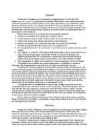
· A person was reputed to be a witch and surrounded with an aura of witch-beliefs Éva Pócs in turn identifies three varieties of witch in popular belief: · The "neighbourhood witch" or "social witch": a witch who curses a neighbour following some conflict. · The "magical" or "sorcerer" witch: either a professional healer, sorcerer, seer or midwife, or a person who has through magic increased her fortune to the perceived detriment of a neighbouring household; due to neighbourly or community rivalries and the ambiguity between positive and negative magic, such individuals can become labelled as witches. · The "supernatural" or "night" witch: portrayed as a demon appearing in visions and dreams. The familiar witch of folklore and popular superstition is a combination of numerous influences. The characterization of the witch as an evil magic user developed over time.
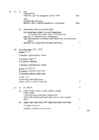
3 both require selection of parents ; 4 to pass alleles to offspring ; 5 selective breeding involves artificial selection ; 6 v. evolution involves natural selection ; 7 man selective agent in selective breeding ; 8 v. whole environment selective agent in, natural selection / evolution ; 9 selective breeding for benefit of man ; 10 may be detrimental to organism / e.g. detriment ; 11 v. fitness for environment ; 12 single / few, trait(s) in selective breeding ; 13 v. whole, phenotype / genotype ; 14 AVP ; 15 AVP ; 8 max QWC – legible text with accurate spelling, punctuation and grammar; 1 [9] 120
I was reading your book at the time, and I realized that, although he got his laugh, according to the contrast principle, he screwed up. He'd arranged things so that compared to $10,000, a couple hundred bucks seemed like a pittance. That was an expensive laugh. It cost his airline an extra $300 per volunteer. Author's note: Any ideas on how the desk agent could have used the contrast principle to his ad· vantage rather than his detriment? Perhaps he could have started with a $5 joke offer and then revealed the true (and now much more attractive-sounding) Sloo amount. Under those circum- stances, I'm pretty sure he would have secured his laugh and his volunteers. _ Chapter 1 WEAPONS OF INFLUENCE to the already determined much larger price. As veteran car buyers can attest, many a budget-sized final price figure has ballooned out of proportion from the addition
 annaabi.ee