kaitsekorralduskava 2000 2010. Viljandi. 41 lk. 4. Barot, S. 2004. Mechanisms promoting plant coexistence: can all the proposed processes be reconciled? Oikos 106: 185-192 5. Benstead, P., Jose P., Joyce, C., Wade, M., 1999. European Wet Grasslands. Guidelines for management and restoration. RSPB, Sandy. 6. Connell, J.H. 1978. Diversity in tropical rain forests and coral reefs. Science 199: 1302-1309. 7. Diemer, M.W. & Pfadenhauer, J. 1987. Effects of differential defoliation on shoot growth, density and phytomass of three graminoids in a calcareous fen. Oikos 50: 183- 190. 8. Eriksson, O. 1993. The species-pool hypotesis and plant community diversity. Oikos 68: 371-374. 9. Falinska, K.1991. Plant demography in vegetation succession. Kluver Academic Publishers, Dortrecht, Boston, London. 1-220. 10. Falinska, K. 1995. Genet disintegration in Filipendula ulmaria: consequences for population dynamics and vegetation succession
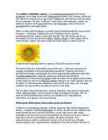
Brown spots at base of individual florets or absence of ray flowers, cupping of heads is symptom. Sunflower headclipping weevil Black weevil, about .25 in. long, causes head drop. Haplorynchites aeneus Sunflower beetle Adult is .25 in. long with yellow strips length of wing Zygogramma exclamationis covers. Humpback yellow larvae causes large areas of defoliation. Sunflower maggot Adult a yellow fly with dark wing markings, smaller than Strauzia longipennis housefly. Maggots burrow in stem. Red sunflower seed weevil Adult about 1/8 in. long, rusty colored, and found in head. Smicronyx fulvus Adult female drills egg hole in developing seed and lays egg in hole. Larvae internal to seed; white legless with dark head capsule.
 annaabi.ee