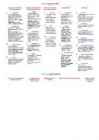
LEXICAL STYLISTIC DEVICES Based on: interaction of lexical and interaction of denotational interaction of primary circumlocution other cases contextual meaning and emotional meaning and secondary meaning 1. EPITHET 1. METAPHOR indicates individual 1. ZEUGMA 1. PERIPHRASIS 1. BATHOS based on similarity of 2 evaluation of sth
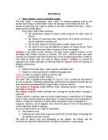
The humorous use in 2 or more meanings or of words that sound alike but have different meaning [homonyms, polysemantic words] (What makes the tower of Pisa lean? It never eats.) Semantically false chain--it is enumerating objects without logical connections. The words are used in their direct meaning and it is partly humorous. (I like reading books, young men and bananas) Function: to render a chaotic picture or bring out controversial nature of what is described. 4) Stylistic devices based on Circumlocution (a roundabout way to describe sth) Periphrasis--the use of a longer and differently worded description instead of a short, plain one (the fair sex--women) In original periphrasis, the writer expresses his subjective attitude in a new unexpected way (since the day I didn't have any front teeth yet) A periphrasis was an important feature of the Bible and Latin poetry to create elevated style. Simile--a figure of speech that draws comparison between 2 different things in 1 or more aspects
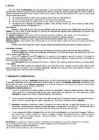
meanings (homonyms) (e.g. "What makes the tower of Pisa lean (:1., 2. ) It never eats). 3. Semantically false chain enumerating objects without logical connections (words here are used in the direct meaning) (e.g. "She was talking of Picasso, rain, cats, being pregnant, and her husband's mistress."). The function of such sentence is to render chaotic description. (8) IV. Stylistic devices based on circumlocution. 1. Periphrasis is the use of the longer and differently worded description instead of plain and short expression (a roundabout way to name objects). Traditional periphrasis are not specific (e.g. "one's better half" = wife). In original periphrasis the author expresses his ideas in a new unexpected way. Periphrasis was an important part of the Bible, also of Latin poetry (16 th century) to create elevated style.
") FGI 1081 Stylistics (I. Ladusseva) 15 3. Semantically false chain enumerating objects without logical connections (words here are used in the direct meaning) (e.g. "She was talking of Picasso, rain, cats, being pregnant, and her husband's mistress."). The function of such sentence is to render chaotic description. IV. Stylistic devices based on circumlocution. 1. Periphrasis the use of the longer and differently worded description instead of plain and short expression (a roundabout way to name objects). Traditional periphrasis are not specific (e.g. "one's better half" = wife; "a gentleman of a long robe" = a lawyer). In original periphrasis the author expresses his ideas in a new unexpected way (e.g. "My
built a machine to solve a Japanese diplomatic cipher that was abandoned in 1938. American cryptanalysts could very naturally have called it the ORANGE machine. As the successors of this system appeared, each increasingly enigmatic, their American codenames might well have progressively deepened in hue. 3 This is the literal translation made by Mr. Cory of GZ and given in MAGIC. But Friedman and others have contended that it does not take into account the Japanese tendency to speak in circumlocution and by indirection. The spirit of it might better be rendered into English, Friedman suggested, as "on the brink of catastrophe" or "on the verge of disaster." Kramer conceded that the words should not be interpreted as mildly as the English seems to indicate, but could imply "relations are reaching a crisis." The British translated this phrase as "Relations between Japan and (name of country) are extremely critical." 4
 annaabi.ee