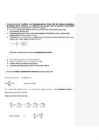
R1 + K P1 + KX KX + R2 P2 + K (9.1) kus K on katalüsaator, R1 ja R2 on lähtekomponendid, P1 ja P2 on produktid ja KX on vaheprodukt. Homogeenne ja heterogeenne katalüüs 2H2O2(aq) 2H2O+O2 ülaltoodud reaktsiooni aktivatsioonienergiad oleksid: 18 kcal/mole ilma katalüsaatorita; 14 kcal/mole I- ioonidega katalüüsil; 12 kcal/mole kolloidsete Pt osakestega katalüüsil; 6 kcal/mole katalüüsil ensüümiga "liver catalase". A + B C + 2A - autokatalüütiline reaktsioon Inhibiitor - vähendab reaktsiooni kiirust -negatiivne katalüaasaator Osoonikihi lhkumine Cl + O3 ClO + O2 ClO + O Cl + O2 9.2 Katalüütiliste reaktsioonide mehhanism R P reaktsioonile oleks vimalik mehhanism katalüsaatori C osavtul järgmine: k1 R + C ==== RC (9.4a) k-1 k2
holding capacity that result from the stress C22:6; Table 2.2) that are susceptible to involved in transport and handling (Frandson oxidation and likely to make specific flavor and Spurgeon 1992). Feeding swine magne- contributions to the meat (Elmore et al. sium during the finishing phase results in 1999). Endogenous antioxidant enzymes, higher initial and/or ultimate muscle pH especially catalase and GSH-Px, can poten- values and a decrease in the incidence of tially delay the onset of oxidative rancidity PSE (D’Souza et al. 1998; Swigert et al. (Pradhan et al. 2000). Some meat processing 2004). operations reduce the activity of these systems (Decker and Mei 1996). Of the 60- plus compounds that contribute specifically
 annaabi.ee