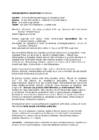
1. qar'a arab. k. valjuhäälega ettelugema 2. qeryana süüra k. kirja lugemine, lektsioon Põhiteema: Allahi, ainujumala kummardamine (allaheitmine) ning Muhammad on viimane inimkonnale saadetud prohvet, kes taastab eelnevate monoteistlike traditsioonide (juutlus, kristulus) õige varianti Ülesehitus: 114 suurat, 2-112 põhisuurad, 1 suura fatiha avamine, 113. ja 114. on vaimude eemale peletamiseks. Pikim 2. suura (286-287 a.), lühem 110, (3a), kokku koraanis 6211 ajaati (ayah, ,,märk") ehk värssi Suurade kronoloogia: Meka I periood (610-614/615) 48 suurat (ainujumal, ülestõusmine, kohtupäev) Meka II periood (615-616) 21 suurat (prohvetite lood, paradiis ja põrgu) Meka III periood (617-622) 21 suurat (prohvetite lood, uskmatute karistamine) Mediina periood (622-632) 24 suurat (seadusandlus, vaidlused raamatu rahvaga) Basmala: kõik suurad va. 9. suura algavad lausega: armuliku ja halastava Jumala nimel. Saladuslikud tähed: 1. arvtähendus; 2
She was one of the seven principal mediums involved in the famous cross-correspondences cases. Fleming continued to do automatic writing until 1910, when she suffered a nervous breakdown. Early Life Rudyard Kipling was born Joseph Rudyard Kipling on 30 December 1865 in Bombay, in British India. Some of Kipling's earliest and fondest memories are of his and sister Alice's trips to the bustling fruit market with their ayah or nanny, or her telling them Indian nursery rhymes and stories before their nap in the tropical afternoon heat. His father's art studio provided many creative outlets with clay and paints. Often the family took evening walks along the Bombay Esplanade beside the Arabian Sea, the dhows bobbing on the glittering waters. Kipling's days of "strong light and darkness" in Bombay were to end when he was five years old.[21] As was the custom in British India, he and his three-year-old sister, Alice
 annaabi.ee