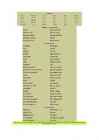
estos/estas + de + a la derecha abajo arriba ese/esa/eso/esos/esas + que está / n + al fondo en la casa aquel/aquella/aquello/ aquellos/aquellas Mucho / tanto en respuestas negativas complicado / sencillo / fácil / difícil muy / bastante + "adjetivo"/ - ísimo Ejemplos... -¿Es difícil subir a esa montaña? - No, no mucho. / No, no es muy difícil. -¿Es muy difícil subir a esa montaña? - No, no tanto / No, no es tan difícil.
Näitavad omadussõnad ESTE (see) ja AQUEL (see seal) ühilduvad alati järgneva nimisõnaga nii soos kui arvus. este bolígrafo see pastakas esta falda see seelik estos coches need autod estas casa need majad aquel edificio see hoone seal aquella iglesia see kirik seal aquellos señores need härrad seal aquellas señoras need prouad seal 52 KUULA & KORDA TEGUSÕNA Tegusõna SER pööramine Üldolevik: (yo) soy mina olen (tú) eres sina oled (él) tema (M) (ella) es tema (N) on (usted) teie olete (nosotros) somos meie oleme (nosotras) (vosotros) sois teie olete (vosotras)
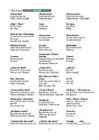
Plural the el (ail) la (lah) the los (lohs) las (lahs) a, an un (oon) una (oon-ah) some unos (oon-ohs) unas (oon-ahs) this este esta these estos estas that ese esa those esos esas that aquel aquella those aquellos aquellas El is also used with feminine nouns beginning with a or ha when the accent is on the first syllable. Words that end in -o and -or are generally masculine, with a few exceptions: la mano (hand), la foto (photo). Words that end in -a are generally feminine, with a few exceptions: el mapa (map), el problema (problem). Other feminine words end in -ción, -tad, -dad, or -tud. Use the ese forms to mean that when what you are talking about is near the person you are addressing
 annaabi.ee