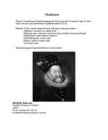
2)Marinist- kunstnik, kes maalib merd. 3)Mosaiik maal- väikestest värvilistest klaasi tükkidest kokku pandud pilt 4)Natüürmort- maal elututest esemetest 5)Piiblidemaatika- usuline maal 6)Ikoon- pühakut kujutav maal 7)Akt-alasti maal Tehnikad:1)guasid 2)pastellid 3)õlivärvid 4)akvarellid AACHEN, Hans von Portrait of Emperor Rudolf II 1590s Oil on canvas, 60 x 48 cm Kunsthistorisches Museum, Vienna ALLORI, Alessandro St Peter Walking on the Water 1590s Oil on copper, 47 x 40 cm Galleria degli Uffizi, Florence ALLSTON, Washington Uriel Standing in the Sun 1817 Oil on canvas, 248 x 198 cm Mugar Memorial Library, Boston
burden grew heavier, and the increasingly relied on internal economy was hit by poor spies and propaganda. harvests and the cost of war. In her last years, mounting Prices rose and the standard of criticism reflected a decline in living fell. the public's affection for her One of the causes for this "second reign" of Elizabeth, as it is sometimes called, was the different character of Elizabeth's governing body, the privy council in the 1590s. A new generation was in power. With the exception of Lord Burghley, the most important politicians had died around 1590: The Earl of When he was wrongly accused by the Leicester in 1588, Sir Francis Earl of Essex of treason out of personal Walsingham in 1590, Sir Christopher pique, she could not prevent his Hatton in 1591. execution, although she had been angry
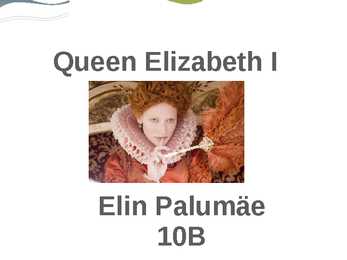
Shakespeare, Sir Philip Sidney, and Edmund Spenser, but, at the time, the regime often felt beleaguered at home and abroad. Internally, Elizabethan England was marked by religious divisions, as "official" Protestantism was consolidated in the local communities, and there was intense commercial rivalry and expansion abroad. The Religious Settlement of 1559 was the defining moment of the English Reformation, while the late 1580s and the 1590s were dominated by war with Spain and the French Catholic League, and by rebellion in Ireland. The iconography associated with the Queen herself, however, as Gloriana and the Virgin Queen, together with the length of her reign, has made her one of the most dominant characters of British history, a source of fascination to historians and the general public alike. Victoria
 annaabi.ee