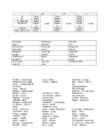
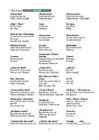
Diciendo Durmiendo Oyendo (decir) (dormir) (oir) Divirtiendo Muriendo Trayendo (divertir) (morir) (traer) Pidiendo Pudiendo Cayendo (pedir) (poder) (caer) Prefiriendo Yendo Huyendo (preferir) (ir) (huir) Sirviendo Leyendo Construyendo (servir) (leer) Perdón – vabandage Duro – kõva Cómodo – mugav Perdona/e por llegar Tijeras – käärid Tan… como – sama .. tarde – vabandage et kui
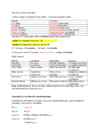
El/ella (tema) El/ella está (tema on) Nosotros (meie) Nosotros Estamos (meie oleme) Vosotros (teie) Vosotros Estaís (teie olete) Ustedes (nemad) Ustedes estan (nemad on) Gerundiumi moodustamiseks liidetakse tegusõnale vastav lopp: -ando, kui tegusõna lopus on –ar -iendo, kui tegusõna lopus on –er voi -ir Nt: trabajartrabajando , caminarcaminando Corrercorriendo, iryendo ( see on erand!!!), abrirambiendo Naite laused: Olevik presente Gerundiiv geundio Ma söön Yo como Ma olen söömas Yo estoy comiendo Sina sööd Tu comes Sina oled söömasTu estas comiendo Tema sööb El/ella come Tema on söömas El /ella está comiendo
-ar -ando -er -iendo -ir -iendo Juan está hablando. Josh is talking. Estaban cantando. They were singing. Estuve escribiendo una carta. I was writing a letter. A few irregular present participles: poder - pudiendo, dormir - durmiendo, sentir - sintiendo, venir - viniendo, pedir - pidiendo, leer - leyendo, ir - yendo, reír - riendo. 43. Haber haber - to have (auxiliary verb) he hemos has habéis ha han This verb does not mean to possess (that is tener); but it is used in past tenses as an auxiliary verb. 44. Present Perfect The present perfect tense is a compound tense using haber with a past participle. (Haber is only
 annaabi.ee