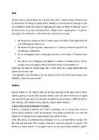
,,pleasant to the ear"). Phonetic stylistic devices Onomatopoeia (sound imitation, echo-writing) Is a combination of sounds which suggests acoustic features of objects or actions. E.g buzz, clang, bang, mew, roar, rattle, whisper, ding-dong, splash, rustle, flop, squeek, giggle, whistle. These are traditional cases (registered in dictionaries). More original and hence expressive instances comprise nonce coinages: The train choo-chooed to the station. Rrrr-umph! A devastating crash.. A jet whooshed into the sky. He tut-tutted his tongue. Punk, punk, punk, her needle broke the taut circle... Clop, -clop, -clop! Up the street came the delivery wagon. Alliteration The repetition of similar or identical consonants at the beginning of neighbouring words or stressed syllables: Most musical of mourners, weep again! This device goes back to Anglo-Saxon poetry that knew no rhyme and did not yet rely on metre. An example of this period:
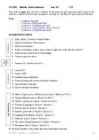
kig (bright) keg kag kog kug (dark) PHONETIC STYLISTIC DEVICES (I. Ladusseva book Rhyme and Text) ONOMATOPOEIA is sound imitation, echo writing. It is a combination of sounds suggesting the typical sounds the object makes. Traditional cases are: buzz, roar, whisper, ding-dong, splash, squeak, giggle, whistle, etc. More original and more expressive examples comprise nonce-coinages (e.g. "a jet whooshed into the sky", "the train choo-chood to the station", "punk, punk, punk her needle broke the circle"). ALLITERATION (Rhyme and Text, page 41) - Alliteration is the repetition of single sounds or groups of sounds (usually word-initial sounds, especially consonants). Alliteration goes back to Anglo-Saxon poetry that knew no rhyme and did not yet rely on metre. The importance of alliteration is fully recognized by contemporary poets as well
 annaabi.ee