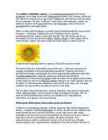
Sunflower
varieties such as Peredovick set only 15 to 20% of seed without pollinators, whereas
many hybrids set 85 to 100% seeds without pollinators.
Insect pests have become major potential yield-reducing factors in sunflower production
in the northern Midwest (Table 4). Insects specific to sunflower that feed on the heads
include the larvae of three moths; sunflower moth, banded sunflower moth and sunflower
bud moth. Sunflower midge has caused widespread damage in some years. Sunflower
headclipping weevil, sunflower beetle, sunflower maggot, wireworm, grasshopper,
cutworm, sugarbeet webworm, ragweed plant bug, woolybear and painted.lady caterpillar
have caused occasional damage to sunflower. Adults of insect pests of other crops (such
as corn rootworm beetle and blister beetle) can be found as pollen feeders on sunflower
heads, but usually cause little injury.
Table 4: Common Insects in Sunflower
Sunflower moth Eggs are laid at flowering and hatch in 1 week. Larva

 annaabi.ee