and chaotic magic, around. All of the shaman are needed to put a check on that chaos. A Koori shaman takes only a small penalty for some tasks when astrally perceiving. As a trade off they are unable to mask. Any magician (full or adept) will notice this, whether or not he can assence. Mundanes even can tell when one of The Dreamers has entered the room. A Koori shaman will rarely travel outside of Australia, the need is too great in the outback for that. White Australian shamans cannot join the dreamers, but some are associated with the koori group. 6 The Australian aboriginal shamans - "clever men" or "men of high degree" - described "celestial ascents" to meet with the "sky gods". Many of the accounts of ritualistic initiation bare striking parallels to modern day UFO contacted and abduction lore. The aboriginal shamanistic "experience of
" Anningan continually chases his sister, Malina, the Sun goddess, across the sky. During this chase, he forgets to eat, and he gets much thinner. This is symbolic of the phases of the moon, particularly the crescent. To satisfy his hunger, he disappears for three days each month (new moon) and then returns full (gibbous) to chase his sister all over again. Malina wants to stay far away from her bad brother. That is why they rise and set at different times. Pilt The mask above is a shaman mask. Shamans would wear masks such as this one during healing ceremonies. Sedna Sedna was the sea spirit according to the peoples of northern Canada and Greenland, known as Inuit. Sedna was a young girl who stubbornly refused to marry anyone. Her father forced her to marry a dog. Sedna's father felt sorry for her and drowned the dog. After her husband died, Sedna was unable to support her children and herself. She had to send her children away and returned to live with her parents. One day, a bird
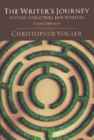
especially those of the 1 9 5 0 s when movies like Pillow Talk and Lover Come Back gave plenty of work for character actors like T h e l m a Ritter and Tony Randall who could portray this wise-cracking, sarcastic version of a Mentor. MENTOR AS SHAMAN M e n t o r figures in stories are closely related to the idea of the shaman: the healer, the medicine man or woman, of tribal cultures. Just as Mentors guide the hero through the Special World, shamans guide their people through life. T h e y travel to other worlds in dreams and visions and bring back stories to heal their tribes. It's often the function of a Mentor to help the hero seek a guiding vision for a quest to another world. FLEXIBILITY OF THE M E N T O R ARCHETYPE Like the other archetypes, the M e n t o r or donor is not a rigid character type, but rather a function, a job which several different characters might perform in the course of a story
 annaabi.ee