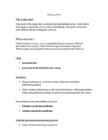
extraction of mineral resources and related environmental impacts no greenhouse gases; In the air is not greenhouse gases. unlimited resource; The sun is abundant, it is free and inexhaustible resources low maintenance costs; runs silently; Solar power system runs silently. Minuses: Needed during daylight; at night can be used only for the stored energy seasonality; During the winter months are the low efficiency of solar panels high price; relatively high resource costs and the high price expensive; solar panels are expensive and requires specialized labor long payback. long payback period without additional support Päikesepaneelid Plussid: Keskkonnasäästlik taastuvenergia: väheneb fossiilsete kütuste põletamine energia saamiseks, samuti maavarade kaevandamine ja sellega kaasnevad
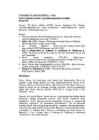
E. Roosaar 4/10/19 8 Limits for reserves Limited opportunities for storing products. Managing, optimising, evening out supply. Fruit, fresh food. Storage may involve significant costs. (Grain stocks play an important role in the stability of the grain market.) Reserves are increased or reduced depending on market situation. E. Roosaar 4/10/19 9 Seasonality Seasonal variations due to climatic conditions. Livestock production. (Milk) Fluctuations in crop and feed productions. New Zealand, cows graze outside throughout the year. Grass production is very low. E. Roosaar 4/10/19 10 Biological lags in productions Time from planning of the year's land use until harvest. Limitations by nature. Impossible to speed up or slow down production.
com>. Allikad: 1. Eesti Statistikaamet. Rahvastikunäitajad ja koosseis. [http://pub.stat.ee/px- web.2001/Dialog/Saveshow.asp] 15.10.2012. 2. Hall, C.,M. (2005). Tourism Rethinking the Social Science of Mobility. Pearson Education Limited, Harlow, 448p. 3. Ida- Virumaa. Majandus. [http://www.ida-virumaa.ee/index.php? lang=est&sid=1287551645&anchor=no] 14.10.2012. 4. Lee, C., Bergin-Seers, S., Galloway, G., O'Mahony, B., McMurray, A. (2008). Seasonality in the tourism industry. CRC for Sustainable Tourism Pty Ltd, Queensland. 5. Narva- Jõesuu arengukava 2011-2025. [https://narva- joesuu.kovtp.ee/et/c/document_library/get_file?uuid=2b7d00d9-0705-42ad- a30d-acc388412481&groupId=1324387] 15.10.2012. 6. Narva- Jõesuu linna arengustrateegia ja kava 2004-2014. [http://www.ida- virumaa.ee/docs/base_1287381633_4.pdf] 15.10.2012. 7. Tooman, H., Müristaja, H. (2008). Turismisihtkoha arendus ja turundus.
delivery staff was trained in relevant bin card maintenance practices. A process to regularly reconcile physical and book stocks using the cycle- count process was implemented. An IT solution was identified and implemented for: Accounting the Cycle count process, providing MIS on deviations and accounting the adjustment notes. Computing the forecast using consolidated orders, with factoring for promotions and seasonality. Calculating safety stock level based on number of weeks of sales target. Facilitating communication of closing stock data from BSR and depots to logistics department. Facilitating communication of damaged and un-saleable stock quantity to commercial department. Automatically allocating stocks using FIFO principle at the depots. Demand planning and forecasting were made a periodic activity using the
 annaabi.ee