And the funniest part of that is that the price doesn't matter. Some of my mates have tested those cheap under 10 bucks programs and for my surprise almost half of them worked. The most expensive one they used was 970 dollars and it worked as well as those under 10 dollar programs. It is a very risky business because Facebook is working harder and harder to get rid of those password hacking programs. The best way to avoid getting caught is to use different proxies. If you don't know what proxies are then you don't have to worry, I'll explain everything to you as clearly as possible. So why do using proxies makes it a lot more safer than without them? It's simple as going to toilet or going to sleep. Using proxies is like using someone elses computer when browsing different webpages but the difference is there, when you can use your computer as you always do and by using Internet you can use another computer. I know that I am not the best person to explain it but it is a very simple
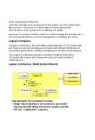
A well-known example of the proxy pattern is a reference counting pointer object. In situations where multiple copies of a complex object must exist the proxy pattern can be adapted to incorporate the flyweight pattern in order to reduce the application's memory footprint. Typically one instance of the complex object is created, and multiple proxy objects are created, all of which contain a reference to the single original complex object. Any operations performed on the proxies are forwarded to the original object. Once all instances of the proxy are out of scope, the complex object's memory may be de allocated. 6. Antipatterns In software engineering, an anti-pattern (or antipattern) is a design pattern that appears obvious but is ineffective or far from optimal in practice.[1][2] The term was coined in 1995 by Andrew Koenig,[3] inspired by Gang of Four's book Design Patterns, which developed the concept of design patterns in the software field. The term was
 annaabi.ee