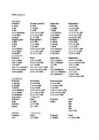
ÊTRE (Billet 1) Indicative Present Present perfect Imperfect Pluperfect je suis j'ai été j'étais j'avais été tu es tu as été tu étais tu avais été il est il a été il était il avait été nous sommes nous avons été nous étions nous avions été vous êtes vous avez été vous étiez vous aviez été ils sont ils ont été ils étaient ils avaient été
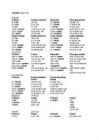
faites ayant fait Infinitif Gérondif Présent Passé Présent Passé faire avoir fait en faisant en ayant fait S'ASSEOIR (Billet 15) Indicative Present Present perfect Imperfect Pluperfect je m'assois je me suis assis je m'assoyais je m'étais assis tu t'assois tu t'es assis tu t'assoyais tu t'étais assis il s'assoit il s'est assis il s'assoyait il s'était assis nous nous nous nous sommes nous nous nous nous étions assoyons assis assoyions assis vous vous vous vous êtes vous vous vous vous étiez
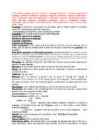
Present Perfect he has examined Past Perfect he had examined Present Progressive he is examining Past Progressive he was examining Present Perfect he has been examining Progressive Past Perfect Progressive he had been examining Perfective aspect: (`anterior time') The present perfect (a) the state present perfect (b) the event present perfect (c) the habitual present perfect The past perfect (`pluperfect') `past-in-the-past' (a) indirect speech constructions (b) the attitudinal past perfect (c) the hypothetical past perfect Progressive aspect: 3 components. 1) the happening has duration 2) the happening has limited duration 3) the happening is not necessarily complete The three verb senses of state, event, and habit are differently interpreted with the progressive: (a) the state progressive (b) the event progressive (c) the habitual progressive The perfect progressive:
 annaabi.ee