embarrassment, nervousness. They are used in break in the narrative--aposiopesis. In the dialogue, the dash and suspension marks render the speech realistically, showing that people do not listen to one another, interrupt, leave sentences unfinished. These punctuation marks may mark a long pause before an important word, to draw attention to it. They may be combined with the "time fillers" (aa.., well, so) (And then she saw a--- ghost) The full stop may have different functions. · Overstopping--using the full stop very often. Full stop may separate words and phrases that normally do not form a sentence (I wouldn't call her beautiful. Or clever.) In the description of a single episode or a rapid succession of events, overstopping creates a peculiar, abrupt rhythm--jerky rhythm. · Understopping--too few full stops, it also renders the dynamic qualities of a large scene. Modernist writers use both devices very often. Good example--J
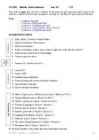
Climax Monometer Lexical SD Anticlimax Dimeter Metaphor: Suspense Trimeter Trite Rhetorical q. Pentameter Genuine Exclamation Hexameter Sustained Graphical Means, SD Heptameter Metonymy Under / overstopping Octometer Synecdoche Indented line Antonomasia Graphon Phrasing Irony Common Lit. Voc. Syntagm Epithet: Special Lit. Voc. Monotonous rhythm Syntactic Terms Jerky rhythm Phrase Barbarisms / Alternating rhythm
 annaabi.ee