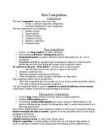
Pure Competition Competition The word "competition" may be used in two ways: rivalry (synonym; opposition, antagonism) structural competition or "pure competition" The main characteristics of competition: 1. Number of firms 2. Type of product 3. Control over price 4. Conditions of entry 5. Nonprice competition 6. Information flow Pure Competition · Involves very large numbers of sellers and buyers. · Firms producing identical or homogeneous products. · Standardized product (a product identical to that of other producers). (ex. corn or cucumbers). · Free Entry and Exit: no significant legal, technological, financial, or other obstacles
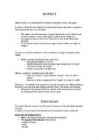
· Demand can also be perceived as a schedule of the maximum prices buyers are willing and able to pay for each unit of a good. Market demand The market demand function is the horizontal summation of the individuals' demand functions. In models of firm behavior, the demand for a firm's product can be constructed DEMAND DETERMINANTS · Price is the major determinant of the quantity demanded. · The nonprice determinants of demand are: - number of buyers, - tastes, - income, - price of other goods (either complementary or substitute),and - expectations about future prices Demand function · Is the functional relationship between the price of the good and the quantity of that good purchased in a given time period (UT), income, other prices and preferences being held constant.
27 Koostöö edukuse määrab tootjate distsipliin, s.t. tuleb panna vastu kiusatusele tootmiskogust tõsta. Koostöö läbikukkumine võib kaasa tuua hinnasõja (ning kasumite languse tervikuna). Hinnasõdade vältimiseks: (1) tegeletakse oligopoli korral sageli toodete diferentseerimisega (et mitte konkureerida ainult hinna põhjal); (2) tegeletakse hinnavälise konkureerimisega (nonprice competition); (3) võib olla turul kujunenud hinnaliider, kelle käitumise põhjal korrigeerivad oma hindu ka kõik teised tootjad (ehk üks tootja määrab hinna turul tervikuna). 4) Monopol (tunnused, kujunemine, reguleerimine). Täieliku konkurentsiga turule on vastandiks monopoolne turg, mille korral on tootmisharus ainult üks ettevõte ning selle ettevõtte poolt toodetaval hüvisel puuduvad lähedased asendushüvised. Monopolile on omane turuvõim, s. t.
 annaabi.ee