A feature film, a documentary film-mängufilm, dokumentaalfilm a popular science film, fiction film- populaarne teadusfilm, ulmefilm animated cartoon, the film has run for ages- film on kinos olnud pikka aega to watch a film on tv, a newsreel, a romance, a wastern- ringvaade, armastusfilm, kauboifilm screenplays of novels- romaanidest filmide tegemine the film is on at the mai cinema, to be present at the film premiere- olema rahul filmi esilinastusest a film director, a cameraman- filmi rezissöör, filmi operaator the film was rubbish, a box-office hit- film oli halb, kassahitt to shoot, shot , shot a film- filmi tegema the film has got an all-star cast- filmis mängivad staarid
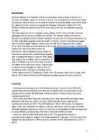
Holidays start from the 23rd December and continue through Christmas Eve (24th), Christmas Day (25th). In schools and in many workplaces, the vacation continues until the New Year. The Estonian independence day is the 24th of February and a national holiday. Cinema in Estonia started in 1896 when the first "moving pictures" were screened in Tallinn. The first movie theater was opened in 1908. First local documentary was made in 1908 with the production of a newsreel about Swedish King Gustav V's visit to Tallinn. The first Estonian documentary was created by Johannes Pääsuke in 1912 that was followed by a short film Karujaht Pärnumaal (Bear Hunt in Pärnumaa) in 1914. The first full length feature film was made in 1924 Shadow of the Past directed by Konstantin Märska. Theodor Luts Noored kotkad (Young Eagles) (1927) is generally regarded as the cornerstone of Estonian cinema.
 annaabi.ee