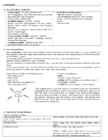
• - unpleasant aesthetic implication • - psychological causes Examples: propaganda, grotesque, peasant Amelioration: nice (used to mean stupid) Weaking of meaning Terribly: in a terrible manner, so as to cause terror or dread OR very painfully OR in an exceedingly incompetent manner or very poorly OR: terribly = very much (I’m terribly please with them, or terribly sorry for them). Also awfully. Legendary – famous OR legendary – from a story. 36. Monosemy – word has a single meaning A one-to-one match between a word and a meaning is called monosemy. Monosemy is probably most clearly found in specialized vocabulary dealing with technical topics. Example: Quinsy (angiin) – a complication of tonsils However, even words belonging to the area of terminology often have multiple meanings. Nylon, magnolia, ozon 37. Polysemy – word has more than one meaning The association of one word with two or more distinct meanings
Metaphor and metonymy Metaphor- based upon a perception of similarity. Mouse- computer mouse and quiet as a mouse. Metonymy- is a word that is not called by its own name but by the name it is associated with Hollywood. Meaning restriction and extension. Specialization of meaning- means narrowing the meaning, extended - widened meanings. Generalization. Meaning degradation and elevation Pejoration (worsening of meaning) deterioration. Amelioration- improvement of meaning. Monosemy Word only has one meaning. Polysemy the meaning of the word depends on the sentence. The content- where the word is placed in the sentence. Homonyms words with the same spelling and pronunciation but a different meaning. Skate, mouth Homophones words that are pronounced the same. Rose, to-two-too Homographs words that are spelled the same. Lead, close, wind. Synonyms words that share the same denotative, different spelling and pronunciation but the same meaning. e.g. male masculine
knight servant rank below baronet earl man count governor pilot head of a state fond foolish affectionate minister servant head of a ministry 35. Monosemy A word having only one possible meaning. It is very rare in most vocabularies, but preferred in the case of technological terminology. o Quinsy, atrophy, ozone 36. Polysemy Coexistence of many possible meanings for a word or a phrase. Short commonplace words have the most meanings (and also the most collocations with them) – set, make, take etc 37. Homonyms
 annaabi.ee