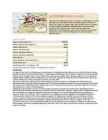
The climate of the Mediterranean Basin is dominated by cool, wet winters and hot, dry summers, and rainfall ranges from as little as 100 millimeters to as much as 3,000 millimeters. Although much of the hotspot was once covered in evergreen oak forests, deciduous and conifer forests, eight thousand years of human settlement and habitat modification have distinctly altered the characteristic vegetation. Today, the most widespread vegetation type is hard-leafed or sclerophyllus shrublands called maquis or matorral, which include representatives from the plant genera Juniperus, Myrtus, Olea, Phillyrea, Pistacia, and Quercus. This vegetation is similar in appearance to the chaparral vegetation of California and the matorral of Chile. Some important components of Mediterranean vegetation (species of the genera Arbutus, Calluna, Ceratonia, Chamaerops, and Larus) are relicts from the ancient forests that dominated the Basin two million years ago.
species. Aboriginal burning appears to have been responsible for the widespread occurrence of savanna in tropical Australia and New Guinea and savannas in India are a creation of human fire use. The maquis shrub savannas of the Mediterranean region were likewise created and maintained by anthropogenic fire. These fires are usually confined to the herbaceous layer and do little long term damage to mature trees. However, these fires do serve to either kill or suppress tree seedlings, thus preventing the establishment of a continuous tree canopy which would prevent further grass growth. Prior to European
 annaabi.ee