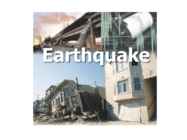
EARTHQUAKES What is earthquake? • the result of a sudden release of energy in the Earth's crust that creates seismic waves. • the earthquakes are measured by magnitudes • caused mostly by rupture of geological faults, but also by other events • such as volcanic activity, landslides, mine blasts, and nuclear tests • earthquakes manifest themselves by shaking and sometimes displacement of the ground Japan earthquake 2011 • 9.03 magnitude undersea megathrust earthquake • Triggered powerful tsunami waves • After the World War ll the most difficult crisis for Japan Luzon earthquake 1990 • 7.8 magnitude earthquake in Philippines How to be Prepared • Electricity, water, gas and telephones may not be working • You'll need food and water
These walls of water can cause widespread destruction when they crash ashore. WHAT CAUSES A TSUNAMI? These awe-inspiring waves are typically caused by large, undersea earthquakes at tectonic plate boundaries. When the ocean floor at a plate boundary rises or falls suddenly, it displaces the water above it and launches the rolling waves that will become a tsunami. WHAT CAUSES A TSUNAMI? Tsunamis may also be caused by underwater landslides or volcanic eruptions. They may even be launched, as they frequently were in Earth’s ancient past, by the impact of a large meteorite plunging into an ocean. TSUNAMI Can race up to 805 kilometers an hour. At that pace, they can cross the entire expanse of the Pacific Ocean in less than a day. And their long wavelengths mean they lose very little energy along the way. In deep ocean, tsunami waves may appear only a foot or so high
 annaabi.ee