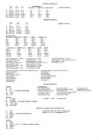
-ar -er -ir llamar comer salir HABER=HAY=HUBO yo llam-é com-i sal-i tú llam-aste com-iste sal-iste él llam-ó com-ió sal-ió nos llam-amos com-imos sal-imos vos llam-asteis com-isteis sal-isteis ellos llam-aron com-ieron sal-ieron Ebareeglipärased DAR(andma) DECIR(ütlema) IR/SER PODER PONER(panema) di dije fui pude puse diste dijiste fuiste pudiste pusiste dio dijo fue pudo puso dimos dijimos fuimos pudimos pusimos
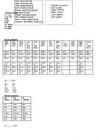
teis s is eis eis is is eis teis estuvie diero tuvier hicier pusier pudier fuero supier durmie ron n on on on on n on ron -ar -er/-ir -e -i -aste -iste -o -io -amos -imos -asteis -isteis -Arno -ieron Preterito imperfecto Ser Ver Ir (olema) (nägema (minema ) ) era veia iba eras veias ibas era veia iba eramos veiamos ibamos erais veiais ibais eran veian iban -ar -er/-ir -aba -ia -abas -ias -aba -ia -abamos -iamos -abais -iais -aban -ian
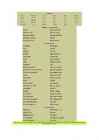
Imperfecto comía - ías - ía - íamos - íais - ían de indicativo subía - ías - ía - íamos - íais - ían Pretérito bajé - aste -ó - amos - asteis - aron indefinido de comí - iste - ió - imos - isteis - ieron indicativo subí - iste - ió - imos - isteis - ieron bajaría - ías - ía - íamos - íais - ían Condicional comería - ías - ía - íamos - íais - ían subiría - ías - ía - íamos - íais - ían
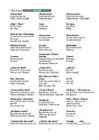
Conozco a tu amiga. I know your friend. Veo a alguien. I see somebody. 31. Preterite Tense The preterite tense expresses an action in the past. It is used to describe events that are finished or complete. It is formed by adding these endings to the infinitive stem. -ar verbs -er and -ir verbs -é -amos -í -imos -aste -asteis -iste -isteis -ó -aron -ió -ieron Viví en España dos años. I lived in Spain for two years. Ellos hablaron con los niños. They spoke with the children. Quién comió la fruta? Who ate the fruit? 32. Irregular Preterite Tense A few verbs are irregular in the preterite tense. The following are the most common: dar - to give decir - to say, tell estar - to be
 annaabi.ee