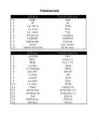
ALLEMAND [ ALLMA ] SAKSLANE(meessoost) ALLEMANDE [ ALLMAND ] SAKSLANE(naissoost) L' ITALIE [ LITALI ] ITAALIA ITALIEN [ ITALLJA ] ITAALLANE(meessoost) ITALIENNE [ ITALLJEN ] ITAALLANE(naissoost) LA FINLANDE [ LA FINNLAND ] SOOME FINLANDAIS [ FINNLANDE ] SOOMLANE(meessoost) FINLANDAISE [ FINNLANDES ] SOOMLANE(naissoost) L' IRLANDE [ LIRLAND ] IIRIMAA IRLANDAIS [ IRLANDE ] IIRLANE(meessoost) IRLANDAISE [ IRLANDES ] IIRLANE(naissoost) LA' SUÉDE [ LA SÜED ] ROOTSI SUÉDOIS [ SÜEDUA ] ROOTSLANE(meessoost) SUÉDOISE [ SÜEDUAS ] ROOTSLANE(naissoost) LA POLOGNE [ LA POLONJE ] POOLA POLONAIS [ POLONE ] POOLAKAS(meessoost)
2 million in the Republic of Ireland and an estimated almost 1.75 million in Northern Ireland. This is a significant increase from a modern historical low in the 1960s, but still much lower than the peak population of over 8 million in the early 19th century, prior to the Great Famine. The name Ireland derives from the name of the Celtic goddess Ériu (in modern Irish, Éire) with the addition of the Germanic word land. Most other western European names for Ireland, such as French Irlande, derive from the same source. A satellite picture of Ireland The history of Ireland began with the first known settlement in Ireland around 8000 BC, when hunter-gatherers arrived from Great Britain and continental Europe, probably via a land bridge. Few archaeological traces remain of this group, but their descendants and later Neolithic arrivals, particularly from the Iberian Peninsula, were responsible for major Neolithic sites such as Newgrange
 annaabi.ee