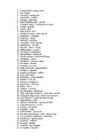
2. liik - species 3. ohustatud endangered 4. soojustama issulate 5. jalakäija pedestrian 6. ümber töötlema prügi recycle 7. tuumaelektrijaam nuclear power station 8. tootma generate 9. puudus lack 10. välja laskma emit 11. linnade vohumine urban sprawl 12. jalgrattatee cyclepath 13. prügimägi dump 14. säästmine pollution 15. veepuudus water shortage 16. ülerahvastus crowded 17. lage raie clear cutting 18. kaldalähedane inshore 19. vee energia hydropower 20. päikseenergia solarpower 21. mandri euroopa continental Europe 22. vahepeatus call at 23. mäenõlvad mountain slopes 24. tõkestuma hamper 25. sissetung invasion 26. loodus keskkond natural habitat 27. eraldatud separated 28. munakivisillutisega cobblet 29. föön hair- dryer 30. putukatõrje insect repellent 31. esmaabi first- aid 32. tulikuum boiling hot 33. jäiselt külm freezing 34. nõmm moor 35
7 year round. Other well known birds are crows, robins, wrens, woodpeckers. One of the worst dangers for the birds is the popularity of ordinary housecats. Saltwater fist are important to Britain's economy. Cod, haddock, herring, plaice are caught off the coasts of Britain, although there are concerns about the decrease of stocks. Lobster, crab and other shellfish are caught along inshore waters. Natural Resources Britain has a variety of mineral and agricultural resources, but must rely on imports of both. Mining in Britain has an ancient history. Salt mining, for example, dates back to pre-historic times. Today limestone, sandstone, salt, clay and gravel are found in Britain. Zinc, lead and gold are also mined. Gold is mined in Wales. The biggest coal fields are in Wales, Northern England and Scotland.
 annaabi.ee