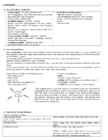
An inflectional suffix (such as the addition of -s to a noun to form a plural) tells something about the word's grammatical behavior. -able, -al, -ness, -ist, -dom 21. Infixes – An infix is an affix that is inserted inside its base. A word element (a type of affix) that can be inserted within the base form of a word (rather than at its beginning or end) to create a new word or intensify meaning. The process of inserting an infix is called infixation. Examples: abso- bleedin-lutely “According to an approach developed in Optimality Theory, infixation is often if not always a phonological rather than a morphological phenomenon. That is, an infix is an affix that is inserted close to, rather than at one end of its base so as to promote observance of phonological well-formedness constraints”. Morphologists usually agree that English has no infixes. However, there is the possibility of
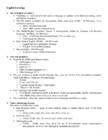
Verb forming o There are four suffixes which derive verbs from other categories (mostly adjectives and nouns), -ate, -en, -ify, and –ize. -ate -en -ify -ise/ize 20. Infixes An infix is an affix that is inserted inside its base. They are rare in English and rather phonological than morphological phenomena. English has a process of infixation of certain words, but no bound morphemes qualify for an infix status. Narc-o-logy Calc-i-ferous Kanga-bloody-roo 21. Combining forms A combining form can either be a prefix or a suffix, the difference is that while prefixes and suffixes only modify an existing meaning, the combining form adds a layer of extra meaning to the word, e.g. bio- (life, living) biochemistry -cide (killing) pesticide
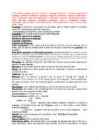
A phoneme is represented between slashes. Morphology: is the study of word formations and the internal structure of words Morphemes: the smallest units of language that have their own meaning or grammatical function. cat, cat/s, laugh/ed, un/able, sheep Free morphemes: cat, laugh, eat, red Bound morphemes: prefixes: pre- prejudge dis- dislike suffixes: -ist typist infixes attached within another morpheme. Infixation is common in languages of Southeast Asia and the Philippines, and it is also found in some Native American languages. circumfixes morphemes that are attached to a root or stem morpheme both initially and finally. Morphs: the concrete realisation of a morpheme (`was' be, past, singular) Allomorphs: a/an Types of affixes: Derivational and infelctional Derivational affixes: Derivational affixes may change the grammatical class of the root
 annaabi.ee