Traditsdiooniliselt seostatakse reformatsiooni algust Martin Lutheri nime ja kuupäevaliselt 31. oktoobriga 1517. Katoliiklus - (kreeka sõnast (katholikós) 'üleüldine', 'universaalne') ehk katolitsism on kristluse levinuim usutunnistus, mis tunnustab paavsti oma vaimuliku peana; õigeusu ja protestantismi kõrval üks kolmest kristluse põhiharust. Katoliikluseks nimetatakse ka Rooma Katoliku Kiriku õpetust. Hugenotid - From the 16th to the 18th century the name Huguenot was applied to a member of the Protestant reformed church in France. historically known as the French Calvinists. Metodism - Metodism või metodistlik liikumine on rühm ajalooliselt seotud kristlikke protestantlikke usulahke. Mormoonid - Mormoonid (tuntud ka nimede all viimsepäevapühakud, viimse aja pühad, viimse aja pühade liikumine ja mormoonlus) on 1830. aastal Joseph Smithi poolt Ameerika Ühendriikides rajatud kristlik usulahk, mis ei tunnista traditsioonilist kristlikku
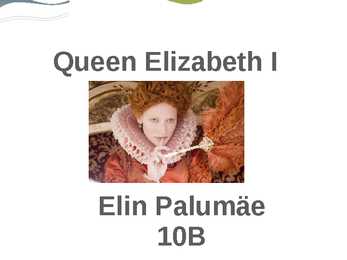
knew herself to be infertile. the hands of King Phillip II of Spain, marriage offered the chance of an heir Wars and overseas trade Elizabeth's foreign policy was largely defensive. The exception was the English occupation of Le This paid off in the war against Havre from October 1562 to June Spain, 80% of which was fought 1563, which ended in failure when at sea. Elizabeth's Huguenot allies joined She knighted Francis Drake after with the Catholics to retake the his circumnavigation of the globe port. Elizabeth's intention had been to exchange Le Havre for Calais, from 1577 to 1580, and he won lost to France in January 1558. fame for his raids on Spanish Only through the activities of her ports and fleets. An element of
But the Huguenots, inside the battlements of the little town in southern France, were putting up a stiff defense. They cannonaded Conde from a tower and contemptuously rejected his demands that they surrender, saying that they would die instead. Conde brought up five big cannon from Albi, a dozen miles away, and on Sunday ranged them in an ominous line facing Realmont. That same day his soldiers captured an inhabitant of the town who was trying to carry an enciphered message to Huguenot forces outside. None of Conde's men could unriddle it, but during the week the prince learned that it might be solved by the scion of a leading family of Albi who was known to have an interest in ciphers. Conde sent him the cryptogram. The young man solved it on the spot. It revealed that the Huguenots desperately needed munitions and that, if they were not supplied, they would have to yield. This was news indeed, for despite the destruction of a number of houses by the Catholic
 annaabi.ee