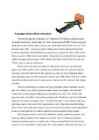
Seal tutvustas giid meile uut mastaapset rahvusvahelist näituse saali, mille nimeks oli ,,Kriitika ja kriisid. Kunst Euroopas alates 1945". ,,Kriitika ja kriisid" vaatleb esimest korda tolleaegset kunsti ühtse tervikuna, liigitamata seda ideoloogiliselt, geograafiliselt ja poliitiliselt kaheks eraldi leeriks, Idaks ja Lääneks. Sellest näitusesaalist pidime valima ühe enim meeldinud teose ning andma sellele oma nägemuse ja arusaama. Mulle meeldis sealt kõige rohkem Antony Gormley töö "Kodu", mille ta valmistas 1984.aastal. Minu esmane reaktsioon teost nähes oli väga huvitav, kuna ma ei saanudki kohe alguses aru, mida see peaks endast kujutama ning sümboliseerima. See polnud tavapärane kunstiteos, kuna selle mõõtkava oli vale- inimene oli suurem kui maja. Kõigepealt haaras minu tähelepanu maja, mis kattis maaslamava inimese pead. Mida rohkem seda teost vaadata,
[ A committee convened to consider the RSA's late-1990s project concluded that it had been a success and "unanimously recommended that the plinth should continue to be used for an ongoing series of temporary works of art commissioned from leading national and international artists".[14] After several years in which the plinth stood empty, the new Greater London Authority assumed responsibility for the fourth plinth and started its own series of changing exhibitions: Antony Gormley: One & Other (6 July 14 October 2009) for a hundred consecutive days, 2,400 selected members of the public spent one hour on the plinth. They were allowed to do anything they wish to and could take anything with them that they could carry unaided. Fountains When the square was first built in 1845, the fountains' primary purpose was not aesthetics, but rather to reduce the open space available and the risk of riotous assembly. They were
 annaabi.ee