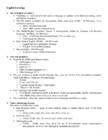
patio, Mediated Native American words o Cigar, cocoa, chocolate, chilli, tomato, cannibal, canoe, maize, potato, avocado, tamale, tobacco 20th century o Burrito, bongo, taco, sangria, sangria, cha-cha, rumba, mambo, fajita, margarita Informal slang o Cojones, el cheapo Adapted o Alligator, barricade, cask, cedilla, galleon, grenade, hoosegow, lariat, ranch, renegade, sherry, stampede, stevedore, vamoose; Direct o Adobe, armada, armadillo, borracho, bravado, chili, chinchilla, embargo, guerrilla, hacienda, mosquito, mulatto, negro, peccadillo, pinto, pronto, sarsaparilla, silo, sombrero, vigilante 10. Italian borrowings Music o Opera, piano, solo, soprano, baritone, concert, libretto, violin, allegro, andante, adagio, a
Harte expanded his literary scope with many items published in the The Californian, a slightly more sophisticated journal featuring serials, illustrations, poetry, political essays, satire, and parodies of other author's works. Much of his work was based on life in the Californian mining camps, though he also wrote many sardonic items such as "Neighborhoods I Have Moved From; by a Hypochondriac". He also tried his hand at book reviews, plays, and literary criticism. The Lost Galleon and Other Tales (1867) was one of his first major works. The same year he became editor of the literary journal The Overland Monthly where his famous stories of "The Luck of Roaring Camp" (1870) brought him widespread fame. Plain Language from Truthful James (1870) followed. He was no sooner a member of the literati in San Francisco when he and his family decided to head east again and settled in Boston
 annaabi.ee