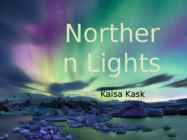
atmosphere • Solar particles collide with different gases • Oxygen (300km) – a rare red aurora • Oxygen (100-300km) – yellow-to-green aurora Do the Northern Lights emit sound? • Subject of discussion • Proven that people can hear natural auroral sounds • Energetic particles produce strange „clapping“ noise • Do not occur every northern lights outburst • Usually brief and faint • https://www.youtube.com/watch?v=eHvdZdsIZxg Conclusion • How the Northern Lights appear • Why the Northern Lights have different colors • About the sound they emit Thank you for your attention! sources • http:// www.athropolis.com/arctic-facts/fact- nlights-color.htm • http:// www.space.com/16498-northern-lights -clapping-sound-explained.html • http:// www.adn.com/article/confirmed-auror a-borealis-makes-sounds
esinev optiline nähtus Virmalised esinevad nii põhja- kui ka lõunapoolkeral Virmalised tekivad kui atmosfääri aatomeid ergastatakse päikesetuule osakeste poolt. Virmaliste esinemise tõenäosus on tihedas seoses magnettormidega, sest mõlemat põhjustab sama nähtus- päikesetuul. http://www.youtube.com/watch?v=taLRQrNbipQ&playnext=7&playne http://www.youtube.com/watch?v=8nsWrAr3Jvc&feature=related http://www.youtube.com/watch?v=eHvdZdsIZxg BRIISID Briis ehk vinu on maismaa ja mere kokkupuuteala Eristatakse: Mere- ja maabriisi ja oru- ja mäebriisi Briiside tekitajaks on ööpäevase temperatuuriga seotud õhurõhu muutumine maismaal ja merel Maabriis on tunduvalt nõrgem kui merebriis Mäebriis ehk mäelt laskuv tuul saavutab oma suurima tugevuse umbes päikesetõusu ajaks TÄNAME KUULAMAST
 annaabi.ee