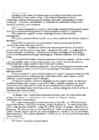
In the marking M1, three different binding elements are enabled: TP+ and TP−, are in conflict with each other (– both are enabled, only one can occur per token in A) SP and TP+ can occur concurrently(– SP needs a token on the place PacketsToSend and a token on NextSend, while TP+ needs a token on place A– no competition or interference to get tokens) SP and TP− are concurrently enabled(– they also use disjoint input tokens, occur concurrently) 5.Guards Besides input arcs, also transitions may carry guards. Guard is a boolean expression that must evaluate to true for binding. A guard puts an extra constraint on the enabling of bindings for a transition. 6.Interactive simulaton An execution of a CPN model is described by means of an occurrence sequence which specifies the intermediate markings reached and the steps that occur
realisatsioon sõltub objekti tüübist, millele operatsiooni rakendatakse. Diskriminaatoriga on võimalik näidata, mille alusel üldistatakse/spetsialiseeritakse. Näiteks sõidukite puhul liikumiskeskkond. Piiratud (Constrained) üldistusseos Piirangud üldistusseosel määravad, kuidas üldistusseost kasutatakse ning laiendatakse. Enam kui ühe alamklassiga üldistusseoste jaoks saab defineerida järgmisi kitsendusi: Lõikumine ehk ülekate (Overlapping) Mittelõikuvus (Disjoint) Täielikkus (Complete) Mittetäielikkus (Incomplete). Taolisi semantilisi piiranguid näidatakse loogelistes sulgudes üldistuse kolmnurga lähedal. Kui üldistusseostel pole ühist kolmnurka,vaid iga alamklassi kohta eraldi kolmnurk, tuleb kõik kokkukuuluvad pärimisseose jooned ühendada ristuva katkendjoonega, mille läheduses esitada piirang(ud) loogeliste sulgude sees. Lõikuvad ja mittelõikuvad üldistusseosed Lõikuv (mitmene) pärimine tähendab, et alamklassid võivad pärida
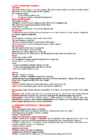
– Specified for each end of the association • Associations and aggregations are bi-directional by default, but it is often desirable to restrict navigation to one direction – If navigation is restricted, an arrowhead is added to indicate the direction of the navigation Association: Multiplicity • Unspecified • Exactly one 1 • Zero or more (many, unlimited) 0..* • One or more 1..* • Zero or one 0..1 • Specified range 3..7 • Multiple, disjoint ranges 2, 5..7 II Relationships: Dependency • A relationship between two model elements where a change in one may cause a change in the other • Non-structural, “using” relationship III Relationships: Generalization • A relationship among classes where one class shares the structure and/or behavior of one or more classes • Defines a hierarchy of abstractions in which a subclass inherits from one or more superclasses – Single inheritance – Multiple inheritance
Have we, as 'twere with a defeated joy,— With an auspicious and a dropping eye, With mirth in funeral and with dirge in marriage, In equal scale weighing delight and dole,— Taken to wife: nor have we herein barr'd Your better wisdoms, which have freely gone With this affair along. For all, our thanks. Now follows, that you know, young Fortinbras, Holding a weak supposal of our worth, Or thinking by our late dear brother's death Our state to be disjoint and out of frame, Colleagued with the dream of his advantage, He hath not fail'd to pester us with message, Importing the surrender of those lands Lost by his father, with all bonds of law, To our most valiant brother. So much for him. Now for ourself and for this time of meeting: Thus much the business is: we have here writ To Norway, uncle of young Fortinbras,— Who, impotent and bed-rid, scarcely hears Of this his nephew's purpose,—to suppress
 annaabi.ee