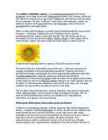
Sunflower
from 28% to almost 50%. The high-oil lines from Russia were reintroduced into the U.S.
after World War II, which rekindled interest in the crop. However, it was the discovery of
the male-sterile and restorer gene system that made hybrids feasible and increased
commercial interest in the crop. Production of sunflowers subsequently rose dramatically
in the Great Plains states as marketers found new niches for the seeds as an oil crop, a
birdseed crop, and as a human snack food. Production in these regions in the 1980s has
declined mostly because of low prices, but also due to disease, insect and bird problems.
Sunflower acreage is now moving westward into dryer regions; however, 85% of the
North American sunflower seed is still produced in North and South Dakota and
Minnesota.
II. Uses:
A. Edible(söödav)oil:
Commercially available sunflower varieties contain from 39 to 49% oil in the seed. In

 annaabi.ee