BASIL Sandra Pähklepa Horticulture 1. course Introduction • I have grown basil • Member of mint family • Belongs to the genus ocimum • The genus includes over sixty species of annuals Chemistry • Essential oils in the plant • Most basils contain methyl chavicol, eugenol and linalool • Methyl chavicol provides a sweet flavor Nutrition • Low in calories • No fat • Source of vitamin A • Also contains Calcium and smaller amounts of other vitamins Cultivation indoors • Growing indoors is challenging • Basil needs alot of water • As a tropical plant, basil requires plenty of heat and light
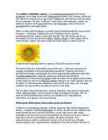
sunflowers and goldenrods (also members of the sunflower family) make their presence known to the local pollinating insects. While many sunflower species may begin blooming in July, they are not as noticeable then as later on when they have grown up and over the surrounding vegetation. There are eleven species of sunflower recorded from Kansas. Most of them are perennials. Only the common sunflower and H. petiolaris, the Prairie Sunflower, are annuals. Identification of sunflowers can be very complicated because they frequently hybridize and even within species there is a high degree of variability. With a little practice, however, the most common species can be readily recognized. The Common Sunflower has a long history of association with people. Nearly 3,000 years ago it was domesticated for food production by the Native Americans. The seeds of the wild type of sunflower are only about 5 mm. long. It was only through careful
 annaabi.ee