Velar Pharyn-geal Glottal Nasal m n voiceless p t k Plosive voiced b d voiceless ts t Affricate voiced dz d voiceless f s Fricative voiced v z Trill r Approximant l · 5 short, 6 long vowels and 7 diphthongs · Stress is generally on the penultimate syllable · il(l)- = the
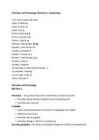
Phonetics and Phonology. Mid-term 1. Terminology. Testi tuleb kindlasti see tabel! Nasal, Bilabial: m Nasal, Alveolar: n Nasal Velar: Plosive, Bilabial: p; b Plosive, Alveolar: t; d Plosive, Velar: k; Affricate, Post-Alveolar: t; d Fricative, Labio-dental: f; v Fricative, Dental: ; Fricative, Alveolar: s; z Fricative, Post-Alveolar: ; Fricative, Velar: x Fricative, Glottal: h Approximant, Alveolar ja Post-Alveolar: Approximant, Palatal: j Approximant, Velar: w Lateral, Alveolar: l Phonetics and Phonology. Mid-term 1. Phonetics the general study of the characteristics of speech sounds: how they may be "strung" together to form meaningful units how they are produced It studies:
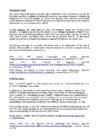
greater breath force, voiceless in all positions, fortis plosives are aspirated in syllable-initial position, vowels are shortened before a fortis consonant. Example: voiceless [bb ] is "lenis", whereas [p] is "fortis". Lenis plosives have less intraoral pressure than fortis ones. The difference is easily noticed in the English pair "touched" vs. "judged" (said in isolation). The final consonants are pronounced without vocal fold vibration in both cases. But the fricative component of the affricate in "touched" is much noisier (more turbulent) than that of the affricate in "judged". This is presumably because in devoiced lenis obstruents the vocal folds adopt the ‘whisper’ position, i.e. are narrowed, unlike the wide open position that they adopt for fortis obstruents. This reduces the flow of air and therefore reduces the amount of turbulence. SIL International. 1997. LinguaLinks Library. Available at http://www- 01.sil
 annaabi.ee