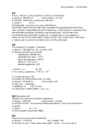
Ilona Juhanson, 123964YASB 5.1 Kirk, R., Othmer, D. Encyclopedia of Chemical Technology a) Kohaviit: TE 66/K-48 riiuli number: 422-421 b) Artikkel: “Electrically conductive polymers” c) Köide: 9 lk: 61 d) Electrically conductive polymers, definitsioon: Electrically conductive polymers are composed of conjugated polymer chains with π-electrons delocalized along the backbone. In the neutral, or undoped, form the polymers are either insulating or semiconducting. The polymers are converted to the electrically conductive, or doped, forms via oxidation or reduction which form delocalized charge carriers. The conductivity is electronic in nature and no current ion motion occurs in the solid state. 5.2 Encyclopedia of Inorganic Chemistry a) Kohaviit: TE 546/E-54 riiuli number: 303 b) Physical properties of Bismuth Aatommass: 208,98 amü. Sulamistemperatuur: 271⁰C
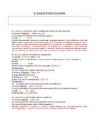
HARJUTUSÜLESANNE 5.1. KIRK, R., OTHMER, D. ENCYCLOPEDIA OF CHEMICAL TECHNOLOGY a) Kohaviit: TE 66/K48 Riiuli nr: 421, 422 b) Leia artikkel teemal "Electrically conductive polymers". c) Köide: 9 lk: 61 d) Esita elektrijuhtivate polümeeride (electrically conductive polymers) lühike definitsioon (võib olla inglise keeles): Electrically conductive polymers are composed of conjugated polymer chains with -electrons delocalized along the backbone. In the neutral, or undoped, form the polymers are either insulating or semiconducting. The polymers are converted to the electrically conductive, or doped, forms via oxidation or reduction which form delocalized charge carriers. The conductivity is electronic in nature and no current ion motion occurs in the solid state. 5.2. ENCYCLOPEDIA OF INORGANIC CHEMISTRY a) Kohaviit: TE 546/E54 Riiuli nr: 303 b) Millises köites ja lk käsitletakse vismuti (Bismuth) füüsikalisi omadusi "Physical properties of Bismuth"
 annaabi.ee