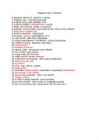
10.rude, violent- ülbe=jäme, vägivaldne 11.moody, bad-tempered= ill-tempered- tujukas, havatujuline 12.indifferent, boring- ükskõikne, igav=tüütu 13.brutal, pathetic- 14.intrusive, capricious- 15.impolite, spoilt- ebaviisakas, ära hellitatud 16.dull, careless- igav, hooletu 17.stupid, noisy- loll, lärmakas 18.untidy, jealous- korratu, amukade 19.disobedient, uninteresting- mitte kuuletu, ebahuviitav 20. weird, eccentric, odd- 21.pig-headed- 22.naive, nosy- naiivne, ninakas 23.bossy, stingy- 24.pessimistic, simple-minded- pessimistlik, kurvameelne, lihtsameelne 25.quarrelsome, cruel, sadistic- 26.envious, silly, brainless- kade, rumal, ajuteta 27.shabby, cunning- 28. a man of a weak character- otsustusvõimetu 29.lose one`s temper- närvi kaotama e. tasakaalu kaotama 30. be in a bad temper, be in a bad mood- olema halvas tujus
1.agressive, dishonest- 2.ambitious, lazy- 3.arrogant, proud- 4.pompous, boastful- 5.selfish, self-centered- 6.snobbish, narrow-minded- 7.petty, mean- 8.stubborn=obstinate- 9.two-faced , greedy- 10.rude, violent- 11.moody, bad-tempered= ill-tempered- 12.indifferent, boring- 13.brutal, pathetic- 14.intrusive, capricious- 15.impolite, spoilt- 16.dull, careless- 17.stupid, noisy- 18.untidy, jealous- 19.disobedient, uninteresting- 20. weird, eccentric, odd- 21.pig-headed- 22.naive, nosy- 23.bossy, stingy- 24.pessimistic, simple-minded- 25.quarrelsome, cruel, sadistic- 26.envious, silly, brainless- 27.shabby, cunning- 28. a man of a weak character- 29.lose one`s temper- 30. be in a bad temper, be in a bad mood-
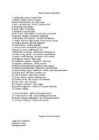
It is the day that the souls of dead people come back to Earth. Therefore, in Pagan religions it is not about scary things. It is about remembering family or friends who have died. Many Lutheran churches celebrate a holiday on October 31st called The Reformation. This holiday celebrates the day that Martin Luther put The NinetyFive Theses on a church door The Irish hollowed out turnips, placed a light inside to keep away the bad and stingy Jack. As the legend says, Jack was a man who tricked the devil and after Jack had died he was allowed neither in heaven nor in hell. With a lantern in his hand he began to search for a resting place on Earth. This was the original JackoLantern. Since Halloween came to America from Ireland (Scotland and Wales) people used pumpkins because they were bigger and easier to hollow out than turnips. During the centuries the cultures have added their own elements to the way Halloween
cheer up be happier shut up be quiet fake genuine, real, authentic like dislike, hate, can't stand tiny huge, enormous, gigant, immense happiness sadness, discontentment (rahulolematus) guilty innocent, blameless safe unsafe, insecure, risky, hazardous admit deny, contradict sincere insincere, dishonest success failure, disaster, flop (põrumine) mature immature, childish encourage discourage, dishearten kind/generous ungenerous, mean, stingy, tight-fisted appear vanish a tough question easy, simple, not difficult a tough meat tender a clear sky cloudy, overcast a clear consciense guilty, blamed fair hair dark a fair decision unfear, justice, harsh a hard mattress soft a hard exam easy a live animal dead live music recorded a light colour dark, deep a light sleeper heavy abused used cruelly or badly disused not used anymore unused not ever used misused used in the wrong way
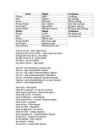
Joyful Rõõmus Peaceful Rahumeelne Lazy Laisk Pretending Teesklev Loyal Ustav, truu proud Uhke Moody tujukas Reliable Usaldatav Rude Ebaviisakas, jõhker Wise Tark, arukas Stingy Kade, ihne Talkative Jutukas Stubborn Kangekaelne Thoughtful Mõtlik Slow aeglane Violent Vägivaldne Slim Sale Fat Paks, rasvane Waivy Lainelised juuksed Curly hair Lokkis juuksed
great, thanks." Once you have publicly stated that all is well, it becomes much eas- ier for the solicitor to corner you into aiding those for whom all is not well: "I'm glad to hear that, because I'm calling to ask if you'd be willing to make a donation to help out the unfortunate victims of ..." The theory behind this tactic is that people who have just asserted that they are doing/feeling fine-even as a routine part of a sociable exchange-will conse- quently find it awkward to appear stingy in the context of their own admittedly fa- vored circumstances. If all this sounds a bit far-fetched, consider the findings of consumer researcher Daniel Howard (1990), who put the theory to test. Residents of Dallas, Texas, were called on the phone and asked if they would agree to allow a representative of the Hunger Relief Committee to come to their homes to sell them cookies, the proceeds from which would be used to supply meals for the needy
 annaabi.ee