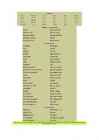
quedáramos/ quedásemos en casa. Si él fuera/ fuese ... If he was/ were ... Ojalá que (yo) fuera/ fuese ... If only I were ... Si hubiera estudiado, habría aprobado. If I had studied, I would have passed. Si yo te hubiera/ hubiese escuchado, esto no habría pasado. If I listened to you this would not have happened. Si lo hubiéramos sabido antes, no hubiéramos/ hubiésemos/ If we had known before we would not have chosen this hotel. habríamos elegido este hotel. No hubiera/ habría visto esa película si hubiera/ hubiese I would not have watched that film if I had known it was so sabido que era violent. tan violenta. Debería hacerlo .... I would have to do it .... Te permitirían hacerlo ...
However, media is not always a negative influence. Shows developed to teach academic and social skills can help children learn positive behavior and soap operas have been developed by educators, government officials and other consultants to make use of the social learning theory in order to bring change in society. Vaughan et al. observed the influence of one radio soap opera on awareness in HIV/AIDS risk and self-efficiency in protection against it in different areas in Tanzania. They used the Sabido method, which is a method for designing and producing radio and television drama that aims to change people's behavior. The basic idea is that we can learn from role models, especially when we can identify ourselves with them. After the show was aired and had been on the radio for some time, surveys were sent out to collect the data. Just over half of the people in the regions listened the show. About 80% said that the program had helped them to learn about protection against sexual
 annaabi.ee