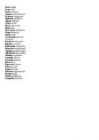
Sostenuto-väljapeetult Moderato-mõõdukalt Allegro-rõõmsalt Vivace-elavalt Presto-väga kiirelt Molto-palju Poco a poco-vähehaaval Sempre-koguaeg Subito-järsku Accelerando-pikkamisi kiirenedes Piu mosso-liikuvamalt Ritenuto-viivitades Rallentando-aeglustades Meno mosso-aeglasemalt A tempo-eelnenud tempos Alla marcia-marsi rütmis Animato-hingestatult Cantabile-laulvalt Con moto-liikuvalt Dolce-õrnalt Espressivo-ilmekalt Giusto-parajalt Leggerio-kergelt Maestoso-majesteetlikult Pesante-raskelt Tenuto-väljapeetult Tranquillo-rahulikult
the grave pressing tones of brass rise. The second section is elegiac; the oboe is developing its solo combined with the recurrent syncopation of strings: Example 95. Grief and sorrow are growing. The elegiac “subsidiary theme” is relatively short. Struggle begins, the mood is undefined, every line has to say something separately, confusion remains. The last section is purposefully taking shape, between brass instruments a canon is rising. The next short Pesante marcato is a consequence and summary of the former section. The grave rhythm that first appeared in the introduction, returns. In the elegiac 1 Arvo Pärt, personal conversations with Uuno Soomere, 1960. 2 The second performance took place in Leningrad, May 1962. The work was performed in Tallinn only in 1966. epilogue the lyrical core (subsidiary theme) is likewise repeated. The struggle that demanded millions of victims has come to its end.
 annaabi.ee