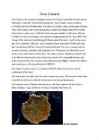
Gran Canaria
Gran Canaria's surface area is 1,560 km² and its maximum altitude is 1,949 meters (Pico de
Las Nieves). It has a round shape, with a diameter of approximately 50 km. About 80% of the
volume of the island was formed during the Miocene period, between 14 and 9 million years
ago. This is called the "Old Cycle" and is estimated to have lasted some 200,000 years and
have emitted about 1000 km3, mostly of fissural alkali basalt. This cycle continued with the
emission oftrachytes, phonolites and peralkaline rocks. This period was followed by one of
erosion, which lasted some 4 million years. This island is called a "Miniature Continent" due
to the different climates and variety of landscapes found, with its long golden beaches and
endless dunes of white sand, its green ravines and picturesque villages. A third of the island is
under protection as a Biosphere Reserve by UNESCO.
The number of annual visitors is 2.2 million (2,200,000). Most of the tourists visit the

 annaabi.ee