The Colossus of Rhodes, a wonder of the ancient world Location: At the entrance of the harbor of the Mediterranean island of Rhodes in Greece Throughout most of its history, ancient Greece was comprised of city-states which had limited power beyond their boundary. On the small island of Rhodes were three of these: Ialysos, Kamiros, and Lindos. In 408 BC, the cities united to form one territory, with a unified capital, Rhodes. The city thrived commercially and had strong economic ties with their main ally, Ptolemy I Soter of Egypt. In 305 BC, the Antigonids of Macedonia who were also rivals of the Ptolemies, besieged Rhodes in an attempt to break the Rhodo-Egyptian alliance. They could never penetrate the city. When a peace agreement was reached in 304 BC, the Antagonids lifted the siege, leaving a wealth of military equipment behind
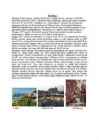
kõlbmatud. Seega on suhteline tihedus osades paikades kõrgem. Kõige tihedamalt paikneb rahvastik Ateena ümbruses ning teistes linnades nagu Thessaloniki ja Kreetal asuv Irákleio. Üldjuhul koondub rahvastik rannikule, tihedam asustus on ka saartel. Vähe inimesi elab sisemaal, mägisematel aladel võib elada vähem kui 1-5 inimest ruutkilomeetri kohta. Kreekas, nagu teisteski Euroopa riikides, on keskmine eluiga võrdlemisi kõrge. Meestel on see 77,5 aastat, naistel 82,8 aastat. Lindos Rhodose linn Liblikate org
 annaabi.ee