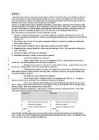
4. Catalogs and geneaologies are given. These long lists of objects, places, and people place the finite action of the epic within a broader, universal context. Oftentimes, the poet is also paying homage to the ancestors of audience members. 5. Main characters give extended formal speeches. 6. Use of the epic simile. A standard simile is a comparison using "like" or "as." An epic or Homeric simile is a more involved, ornate comparison, extended in great detail. 7. Heavy use of repetition and stock phrases. The poet repeats passages that consist of several lines in various sections of the epic and uses homeric epithets, short, recurrent phrases used to describe people, places, or things. Both made the poem easier to memorize. Aristotle described six characteristics: "fable, action, characters, sentiments, diction, and meter." Since then,
morning too, while the rest of the Show is judging between 2.15pm and 5pm. (Exhibits in floristry, floral arrangements, junior displays, and garden design are replaced on Wednesday night, and the new exhibits assessed early on Thursday morning.) Judging on the Monday follows a well-tested routine: each panel meets at a set time, with its own chairman and secretary, to visit, examine and discuss each exhibit. Gala Preview on the Monday evening drinks Homeric amounts of champagne. The Council meets at 9pm for a session that goes on for three hours. No one except the RHS Council and the administration is allowed to know the award winners until the Thursday morning. The Council members therefore totter wearly to bed, while the Show Department take over. Even thought it is now very late, each medal card about 300 in all is neatly written out and delivered to the correct exhibit.
 annaabi.ee