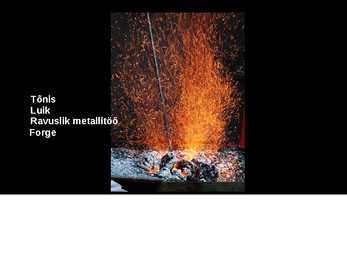
Tõnis Luik Ravuslik metallitöö Forge What is forge A forge is a heart used for forging. The term "forge" can also refer to the workplace of a smith, although the term smithy is then more commonly used. Types of forges Coal/charcoal forge Gas forge Gas forge A gas forge typically uses propane or natural gas as the fuel. Gas forges vary in size and construction, from large forges using a big burner with a blower or several atmospheric burners The primary advantage of a gas forge is ease of use, particularly for a novice. A gas forge is simple to operate compared to coal forges, and the fire produced is clean and consistent Coal/charcoal forge A forge typically uses bituminous coal or charcoal as the fuel to heat metal. A forge of this type is essentially a hearth or fireplace designed to allow a fire to be
Nikolai Anossov. Example 75. The subsidiary theme with violin and violoncello is somewhat wistful but graceful. The music is influenced by the idiom of Prokofiev. The development expresses a joyful bustling spirit. In the second movement there is a mood of loneliness and pressing meditation: Example 76. During the poetic waltz the sadness dissolves. The energetic main theme of the third movement (Finale) forges ahead like an etude: Example 77. The themes obtain weight and fullness of sound in development. The second work, Symphonic Dances, is poetic.1 The first theme is reminiscent of a slow polka; there is no swing but a good dose of humour and rollicking: Example 78. The second theme is a lyrical waltz forming the centre of the dance. The variants of the first theme progress in unexpected harmonic transitions and varying
 annaabi.ee